A guest writes to you: "On a website I've never heard of your room costs €20 less. Can you match it?" You check and discover it's true: someone is selling your hotel at a lower price than your own website. But you never published that rate.
Welcome to the world of rate disparity. It's one of the most frustrating problems for a hotelier, because it takes away direct bookings and undermines guest trust. Hotel associations have flagged it for years as one of the open issues in online distribution. Let's see where it comes from and what you can do.
First, a legal note
Today you decide the prices on every channel. In the EU, the Digital Markets Act has banned Booking.com from using any parity clause since 2024, and several countries had already outlawed them. This means you can (and should) make your website the cheapest place. The problem is when others lower the price for you.
The most common causes
1. OTA discounts you'd forgotten about
Genius, mobile rates, country rates, campaigns: often the "lower" price on Booking.com is simply your rack rate minus a discount you activated, maybe a long time ago. We cover it in Genius discounts and Booking.com promotions: how much does the hotel keep?.
2. Resold net rates (wholesalers and bed banks)
Many hotels give discounted net rates to tour operators, wholesalers or bed banks, intended to be sold in packages (flight + hotel). But sometimes these rates end up resold "unbundled", room only, on booking sites or metasearch, below your price. It's the most insidious cause because you can't see it in your extranet.
3. Loyalty programmes and closed rates
Some portals show "member-only" prices, coupon rates or cashback. For the guest the price is lower, even if technically the rate isn't public.
4. Channel manager mapping errors
A non-refundable rate mistakenly linked to the standard rate, a breakfast-included plan mapped onto the room-only one, a supplement not transmitted: small mistakes that produce prices you didn't intend.
5. Currencies and taxes displayed differently
Some sites show prices excluding taxes, or converted into other currencies. The comparison looks bad for you, but it's really just display. It's still worth checking, because guests don't do the maths.
How to find out who's selling your hotel for less
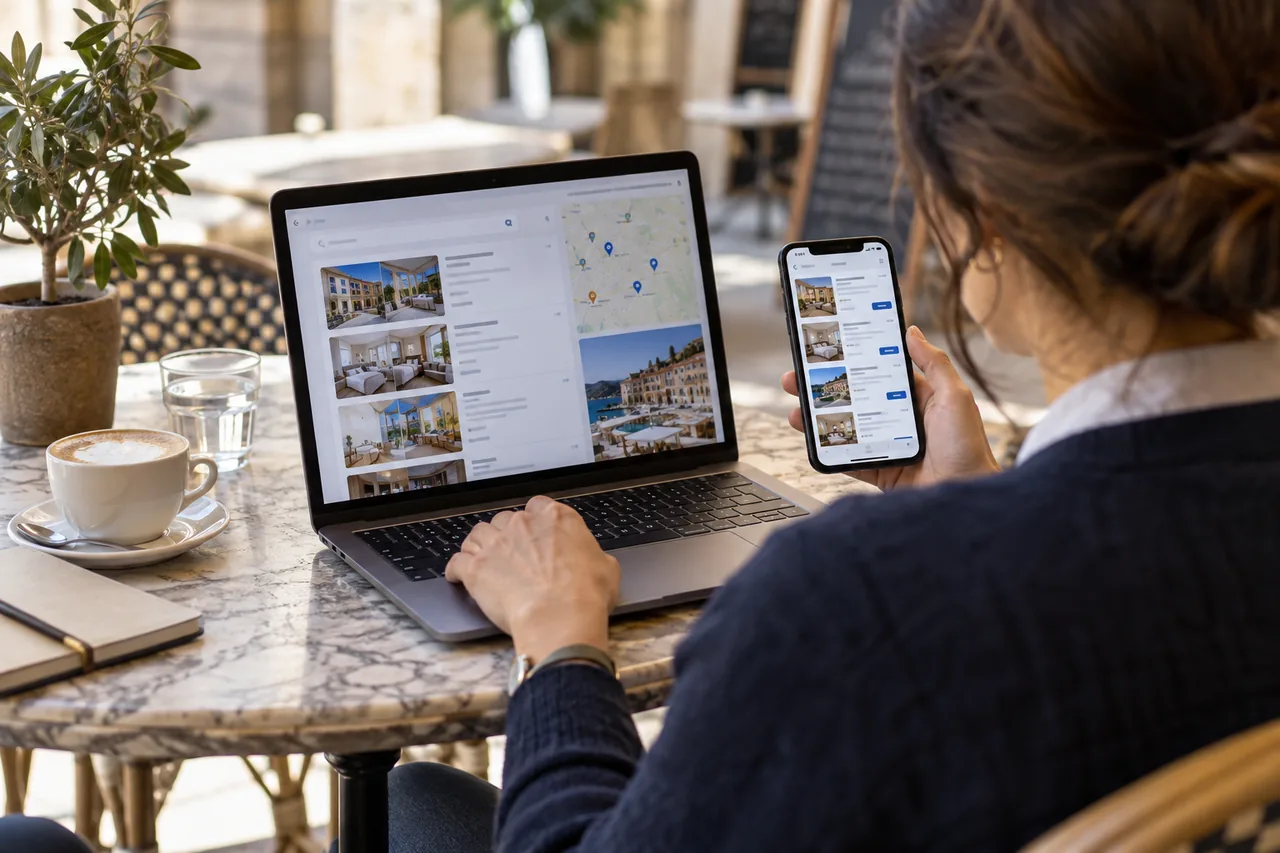
- Search for your hotel on Google for different dates and look at the price comparison: who appears and at what price.
- Use a rate shopping or parity monitoring tool: many channel managers and revenue tools include one.
- Make test bookings on suspicious sites (up to the payment page) to see which rate the price comes from.
- Check incoming bookings: if an agency booking shows a net rate from one of your contracts, you've found the source.
What to do when you find a disparity
- If it's your own discount: decide whether to keep it, reduce it or offset it with your website price.
- If it's a wholesaler: contact the partner, ask for an explanation and review the contract. Consider clauses on how net rates may be used (packages only) and, for repeat cases, ending the contract.
- If it's a mapping error: fix it right away with your channel manager provider.
- In every case: make your website more attractive, with an equal or better price and an exclusive perk. That way, even if a portal dips slightly, direct remains the most interesting choice.
Why it matters for Google too
Google shows prices from various sites in hotel results. If yours is higher, guests don't click through to your website. And inconsistent information across channels doesn't help how your hotel is perceived either. See why Google shows OTA rates but not your hotel's.
Frequently asked questions
Can I force an OTA to raise its price?
You control the prices you send. If the OTA applies discounts it funds itself, the situation is different: check your contract and, if you suspect unfair practice, hotel associations can help.
Should I drop tour operator rates?
No, they can be useful to fill difficult periods and markets. But they need solid contracts and monitoring, to stop them being sold as room-only.
How often should I check parity?
At least once a week on key dates. With an automated tool you can get alerts when someone drops below your price.
Want to check your hotel's parity?
With our free marketing audit we check your hotel's prices on the main channels and on Google, and show you where any disparities come from and how to fix them.
Sources: Federalberghi – 2024 Activity Report, European Commission – Digital Markets Act.