"Come back and enjoy 10% off!" It's the email almost every hotel sends past guests. Does it work? Sometimes. But if every message contains a discount, guests learn that the real price is the discounted one. And people who would have returned anyway now return paying less.
Returning guests are an independent hotel's most valuable asset: cheap to acquire, often booking direct, spending more and speaking well of you. Let's look at how to bring them back through the relationship, not the discount.
Why guests come back
The most common reasons:
- they felt recognised and welcomed;
- they had special moments (a birthday, a family holiday);
- the stay had no surprises: clean, comfortable, honest;
- they know and trust specific people;
- coming back is easy: same room, same routines.
None of these reasons is a discount.
Levers that work
1. Remember them
Record preferences in your PMS: favourite room, pillow, intolerances, children's names, special occasions. When they return, show it: "Welcome back! We've kept the same room as last year for you, overlooking the garden."
2. The same room and the same dates
For many regulars this is the biggest perk. Offer first refusal: the chance to book the same room and dates before anyone else.
3. Reserved perks, not discounts
- guaranteed late check-out;
- a welcome drink or local product in the room;
- reserved parking;
- an upgrade if available;
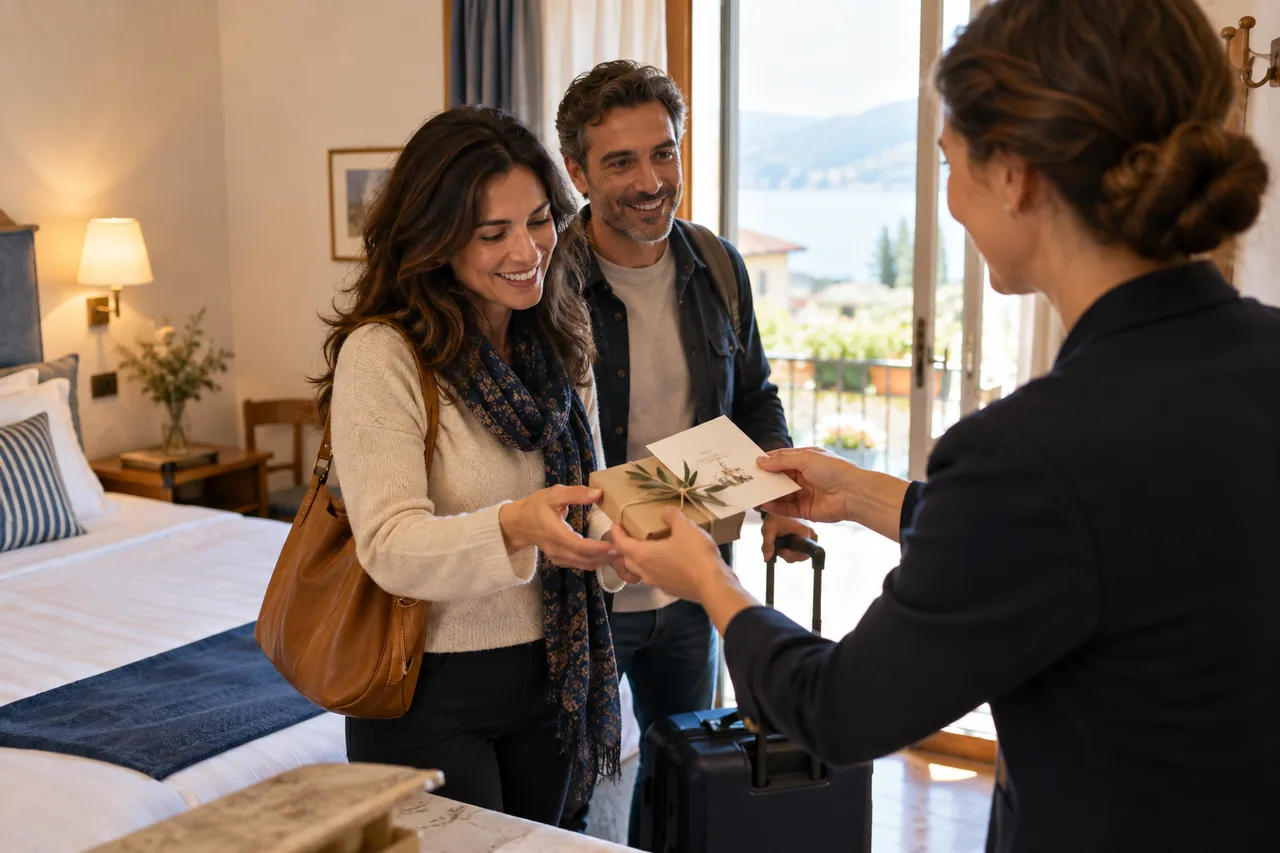
- a small gift on the tenth stay.
4. Well-timed communication
Write before they plan their next trip, not after they've booked elsewhere. If they came in July, the right message arrives between January and March. See how to use advance bookings to plan your hotel's marketing.
5. Useful content, not just promotions
A newsletter with hotel news, local events, a recipe from the kitchen, the work done over winter. Keep the bond alive. See hotel newsletters: what to write and when to send them.
6. Small gestures after the stay
A personal thank-you message, a photo of the sunset from their terrace at season end, handwritten Christmas greetings: they cost very little and stick in the memory.
When a discount makes sense
Discounts aren't forbidden. They can be useful:
- to fill weak periods with guests who already know you;
- as a reward for early bookings;
- to reactivate guests who haven't returned for years.
What matters is that they're targeted and justified, not automatic.
Collect contacts (with consent)
Without a way to contact guests, you can't bring them back. Collect emails and consent at check-in or during the stay, including for OTA guests. See how to turn an OTA guest into a loyal customer.
Measure
- share of returning guests;
- booking channel of returning guests (how many direct?);
- average time between stays;
- communication results (opens, bookings).
Frequently asked questions
Does a small hotel need a loyalty programme?
Not necessarily a complex points scheme. A simple system of perks reserved for regulars, clearly communicated, is often enough.
How often should I write to past guests?
A few useful messages a year work better than lots of promotions. For many hotels, 4–8 communications a year is a good rhythm.
How do I handle preference data in line with privacy rules?
Collect only data useful for the stay, inform the guest, store it securely and use it for service. Promotional messages require consent.
Want more returning guests?
With our free marketing audit we analyse how you collect contacts and communicate with past guests and suggest actions to increase returns without devaluing your prices.